Arabic perfume vs. imported: which is more worth it?
Longevity, projection, price and prestige: the honest comparison between Arabic and imported perfumes to help you decide where to invest.
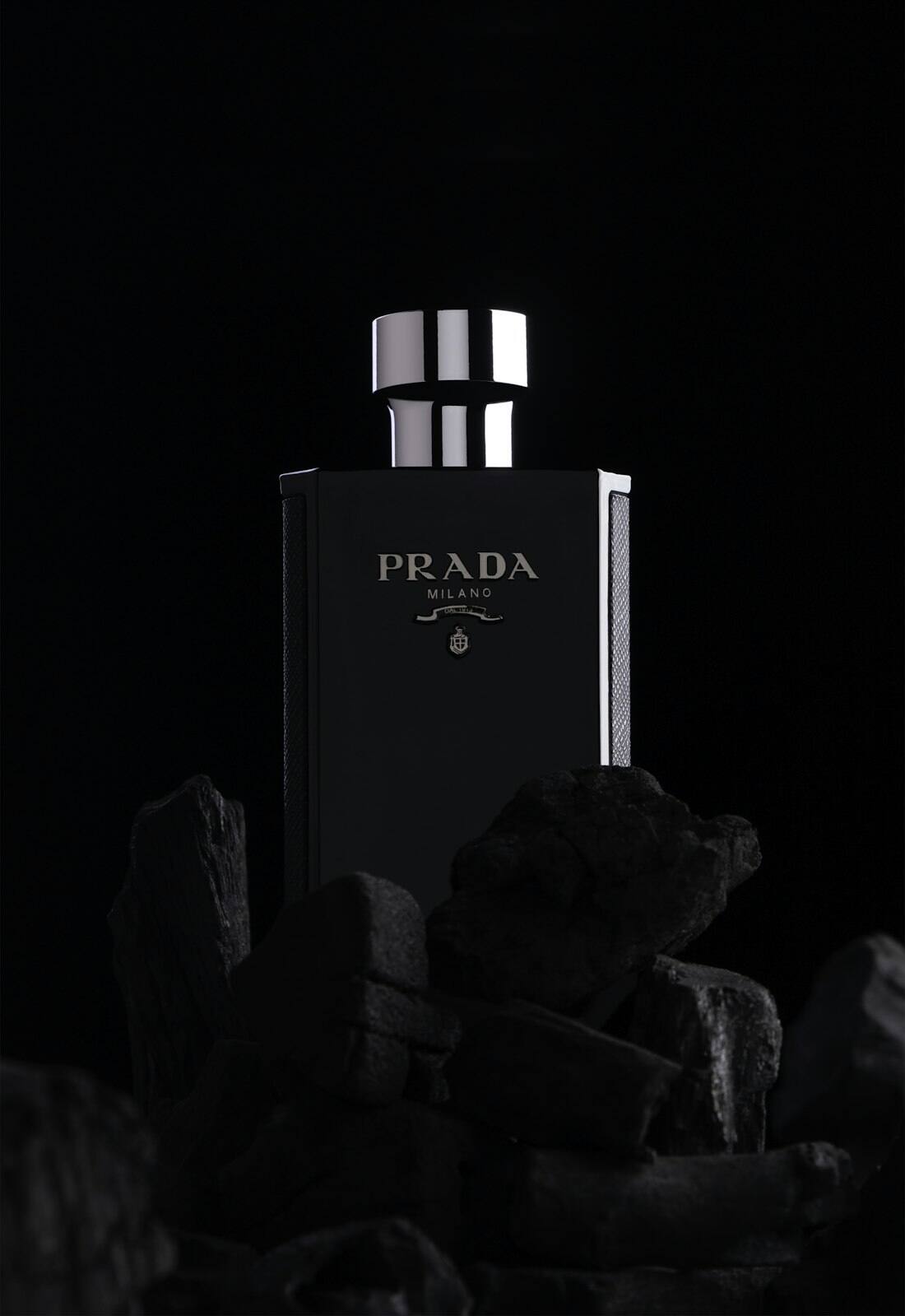
“Is it worth paying a lot for an imported designer scent, or does the Arabic one deliver the same for less?” It’s the question every perfume enthusiast asks. Let’s compare honestly.
Arabic perfume: the rise
Arabic houses conquered the world with a clear proposition: high performance at a fair price.
Advantages:
- Longevity and projection generally above average.
- Rich raw materials (oud, amber, spices).
- Affordable price — large-scale production, without inflated marketing.
Points to watch:
- Some are “inspired” by famous fragrances.
- Batch-to-batch variation in some brands.
Imported designer perfume
The territory of prestige and the exclusive olfactory signature.
Advantages:
- Original, exclusive compositions.
- Consistency and quality control.
- Brand status, premium packaging.
Points to watch:
- High price — much of it goes to marketing and the brand.
- Some last less than cheaper Arabic ones.
The direct comparison
| Criterion | Arabic | Imported |
|---|---|---|
| Longevity | High | Variable |
| Projection | High | Variable |
| Price | Affordable | High |
| Exclusivity | Lower | Higher |
| Value for money | Excellent | Average |
The verdict
- For everyday wear and value for money: Arabic scents are unbeatable.
- For an exclusive signature and prestige: it’s worth investing in an imported one you love.
- Smart strategy: keep Arabic scents for daily use and one special imported scent for occasions.
Remember: the “best” perfume is the one that suits you and the occasion — not the most expensive nor the trendiest.
In the end, it’s not Arabic or imported: the smart enthusiast uses both to their advantage, each in its role.